
Commercial Battery Solutions
Charging your EV at home is cheaper and greener with solar. Use excess solar to avoid peak rates, cut grid reliance, and lower running costs. With a smart charger and battery, you can optimise charging day or night—maximising savings and minimising your carbon footprint.
Take Control of Energy Costs — Even When the Grid Can’t
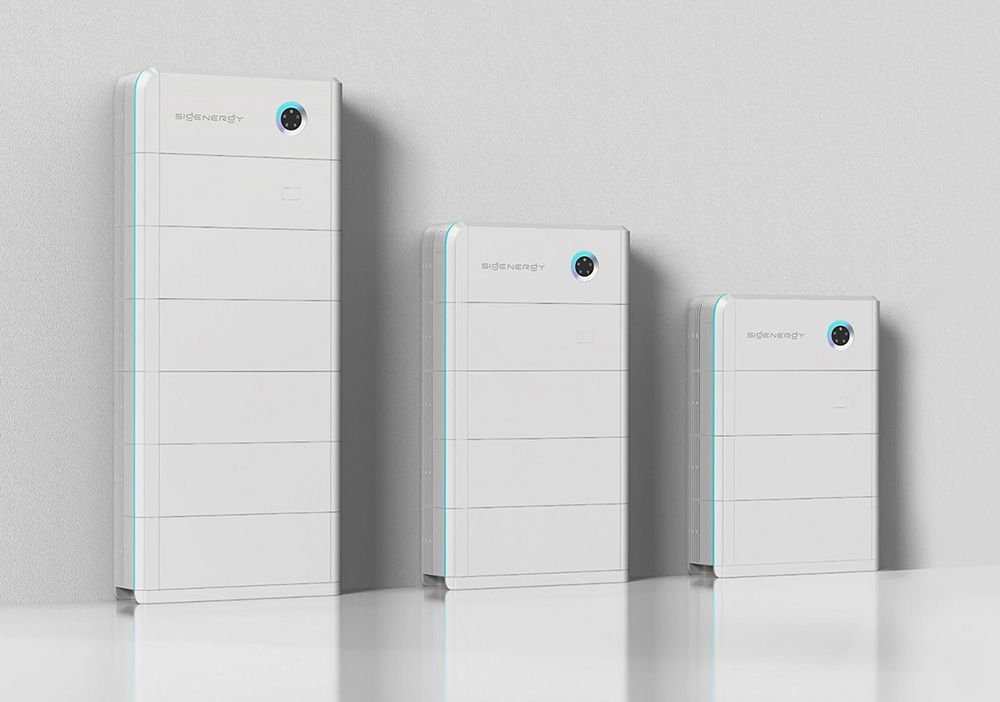

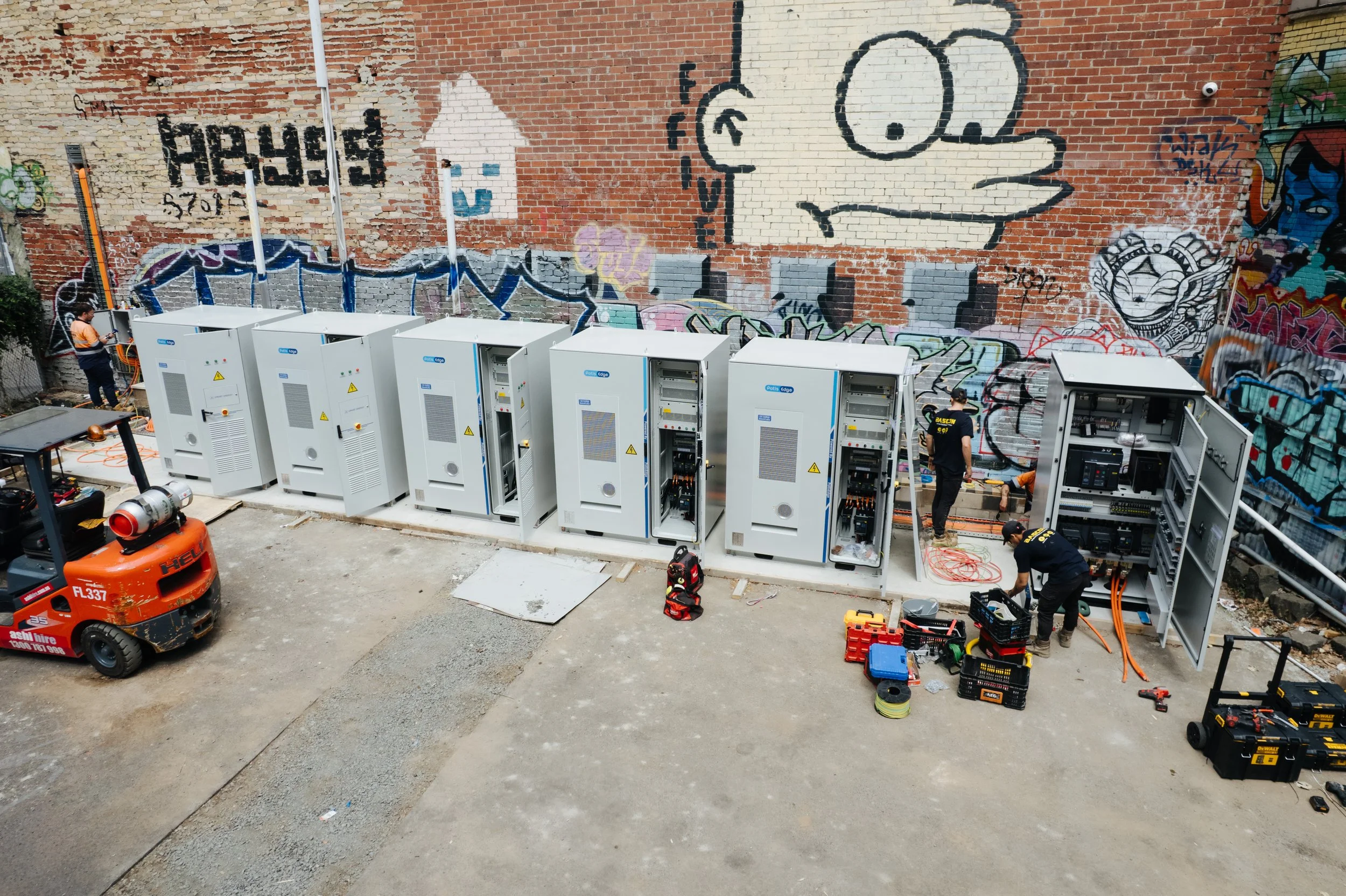
Store Energy and Reduce Peak Charges
Batteries store energy for use during peak demand periods, reducing exposure to demand charges and energy volatility.

Built for, Commercial Load Profiles
Commercial batteries are engineered for high-load environments and support peak shaving, load shifting, and backup power strategies.
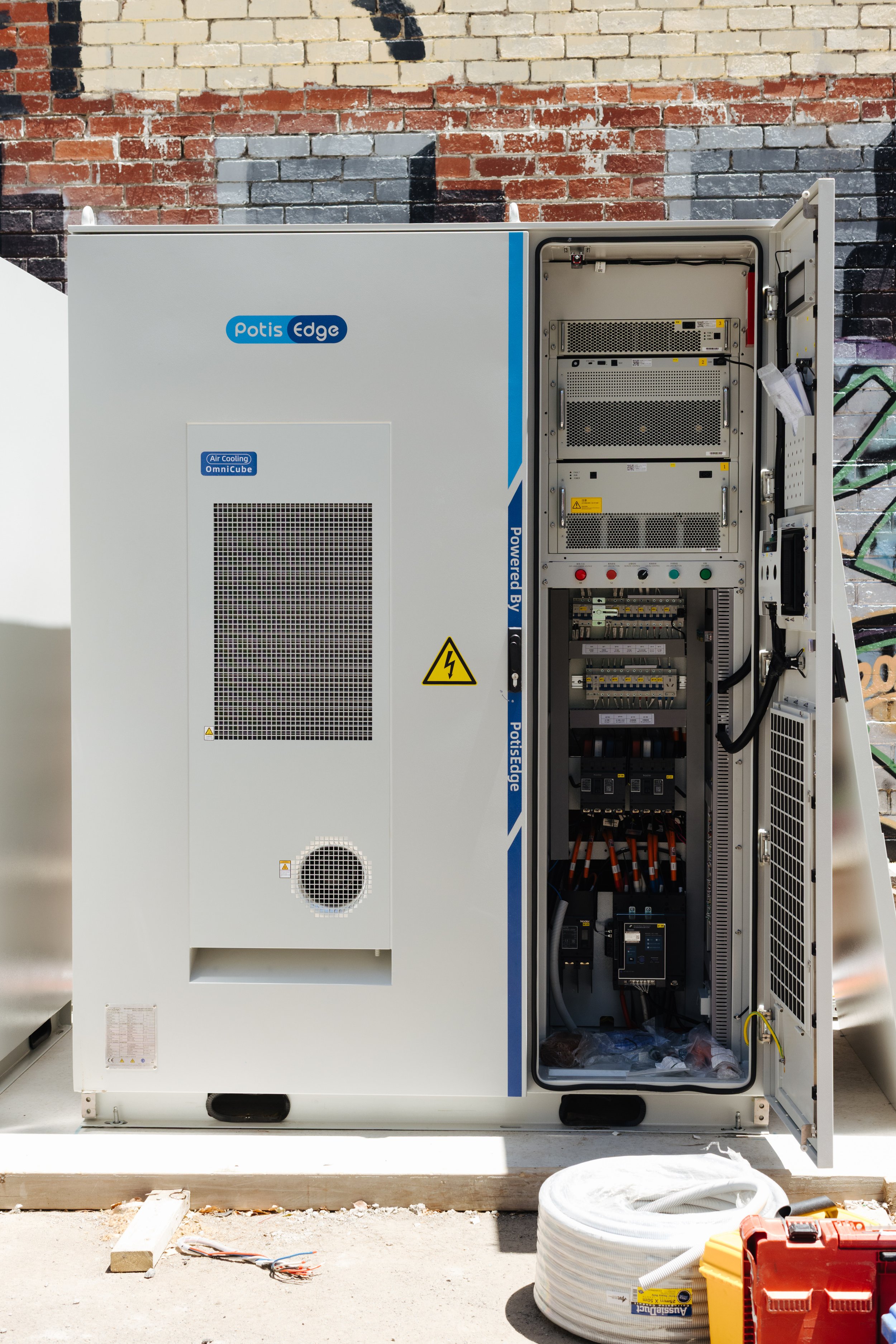
Smart Energy, Not Just Storage
Arriba designs battery systems as part of an overall energy strategy, ensuring the investment delivers measurable financial benefit.
COMMON EV CHARGING FAQs
-
A battery reduces peak demand charges, increases the self-use of on-site solar, and can increase usable site capacity by supporting loads that would otherwise require network upgrades.
-
Yes. When designed correctly, a battery can provide backup power to critical loads during outages, improving business continuity and resilience
-
Yes for many businesses, particularly those with high demand charges, constrained electrical supply, or rising energy costs. Batteries often defer expensive network upgrades while delivering ongoing savings.
-
Most commercial battery systems are designed to operate for 10–15 years, depending on usage patterns and cycling frequency.
-
Yes. Systems can be designed for staged expansion as energy demand, solar capacity, or operational needs grow.
-
Typical Cost: 15-30 cents per kWh, depending on your electricity plan.
Example: A 50 kWh battery will cost $7.50-$15 to fully charge.
Charging during off-peak times reduce costs further.
Charging with solar power will dramatically decrease the cost of charging to in most scenarios $0.
-
Most homes can support a Level 2 charger, but an electrician may need to:
Install a new circuit or upgrade the electrical panel.
Ensure your home meets safety regulations for high-power appliances.
-
EV charging adds to your electricity consumption, but savings from lower fuel costs typically offset this.
On average, charging an EV costs 60-70% less than fueling a petrol car.
Charging with Solar will in most cases reduce the above numbers significantly when charging during the day or at night via battery storage
-
Charge during off-peak hours when electricity rates are lower.
Use solar energy if available.
Opt for an energy plan tailored for EV owners with time-of-use rates.
-
Yes, but the electrical panel must support the total power draw.
Some smart chargers can share power between two vehicles to avoid overloading circuits.