
Home charging made simple, clean, and cost-effective
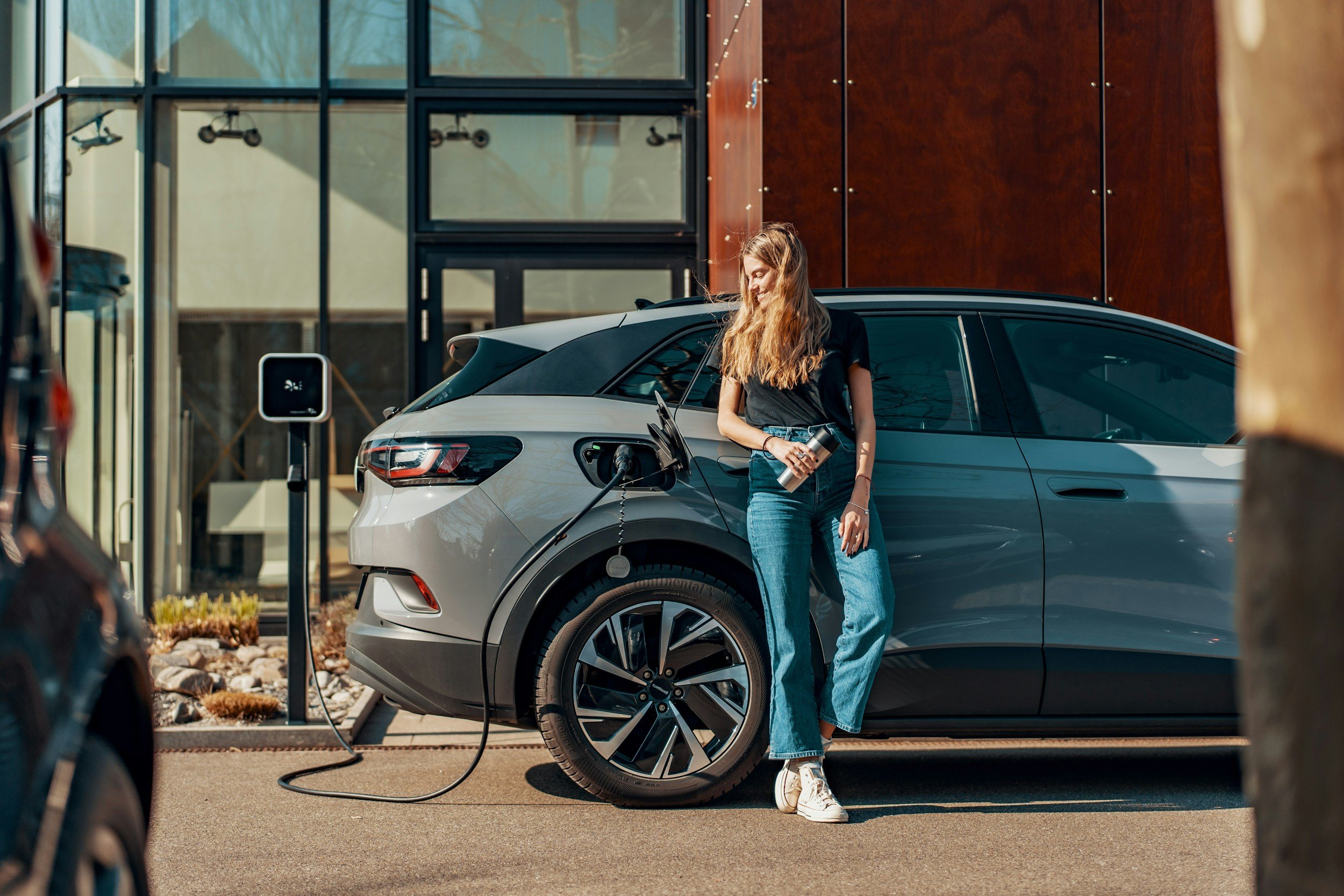
Charging your EV at home is cheaper and greener with solar. Use excess solar to avoid peak rates, cut grid reliance, and lower running costs. With a smart charger and battery, you can optimise charging day or night—maximising savings and minimising your carbon footprint.


Better power options for your family
Arriba is powering a new way forward for families. With smarter solutions that cut costs and create real savings, we’re giving households the freedom to take control of their energy and say goodbye to rising bills. Better power. Bigger savings. True energy independence.

COMMON EV CHARGING FAQs
-
Level 1 (Portable Charger):
Plugs into a standard 240V outlet.
Slow charging: Adds about 10-20 km of range per hour.
Level 2 (Wall Charger):
Requires a dedicated 240V circuit and professional installation.
Faster: Adds 40-60 km of range per hour, depending on the EV.
-
Level 1: No installation cost if using a regular power point.
Level 2: Installation costs can range from $1,000 to $2,500, depending on:
Distance from the switchboard
Electrical panel upgrades required
Charger model and additional features like smart connectivity3. How long does a home battery last?
-
Single-phase:
Adds about 40 km of range per hour.
Suitable for most households and EV owners with regular daily driving needs.
Three-phase:
Adds 60-100 km of range per hour, depending on the car and charger.
Ideal for homes with higher electrical capacity or EVs with larger batteries.
-
Yes, many Level 2 chargers integrate with solar systems to charge directly from solar power.
Smart chargers can prioritize solar charging during the day to reduce grid reliance.
Batteries can also store solar energy for overnight EV charging.
-
Level 1: 24-48 hours for a full charge (depending on the battery size).
Level 2: 6-10 hours for a full charge.
Many EV owners “top up” overnight rather than charging from 0 to 100%.
-
Typical Cost: 15-30 cents per kWh, depending on your electricity plan.
Example: A 50 kWh battery will cost $7.50-$15 to fully charge.
Charging during off-peak times reduce costs further.
Charging with solar power will dramatically decrease the cost of charging to in most scenarios $0.
-
Most homes can support a Level 2 charger, but an electrician may need to:
Install a new circuit or upgrade the electrical panel.
Ensure your home meets safety regulations for high-power appliances.
-
EV charging adds to your electricity consumption, but savings from lower fuel costs typically offset this.
On average, charging an EV costs 60-70% less than fueling a petrol car.
Charging with Solar will in most cases reduce the above numbers significantly when charging during the day or at night via battery storage
-
Charge during off-peak hours when electricity rates are lower.
Use solar energy if available.
Opt for an energy plan tailored for EV owners with time-of-use rates.
-
Yes, but the electrical panel must support the total power draw.
Some smart chargers can share power between two vehicles to avoid overloading circuits.