
SOLAR POWER SOLUTIONS TAILORED TO YOUR REQUIREMENTS
Every home and business is different and so we tailor the solution to your power usage requirements and budgets. Its important to get the system that suits your individual needs.
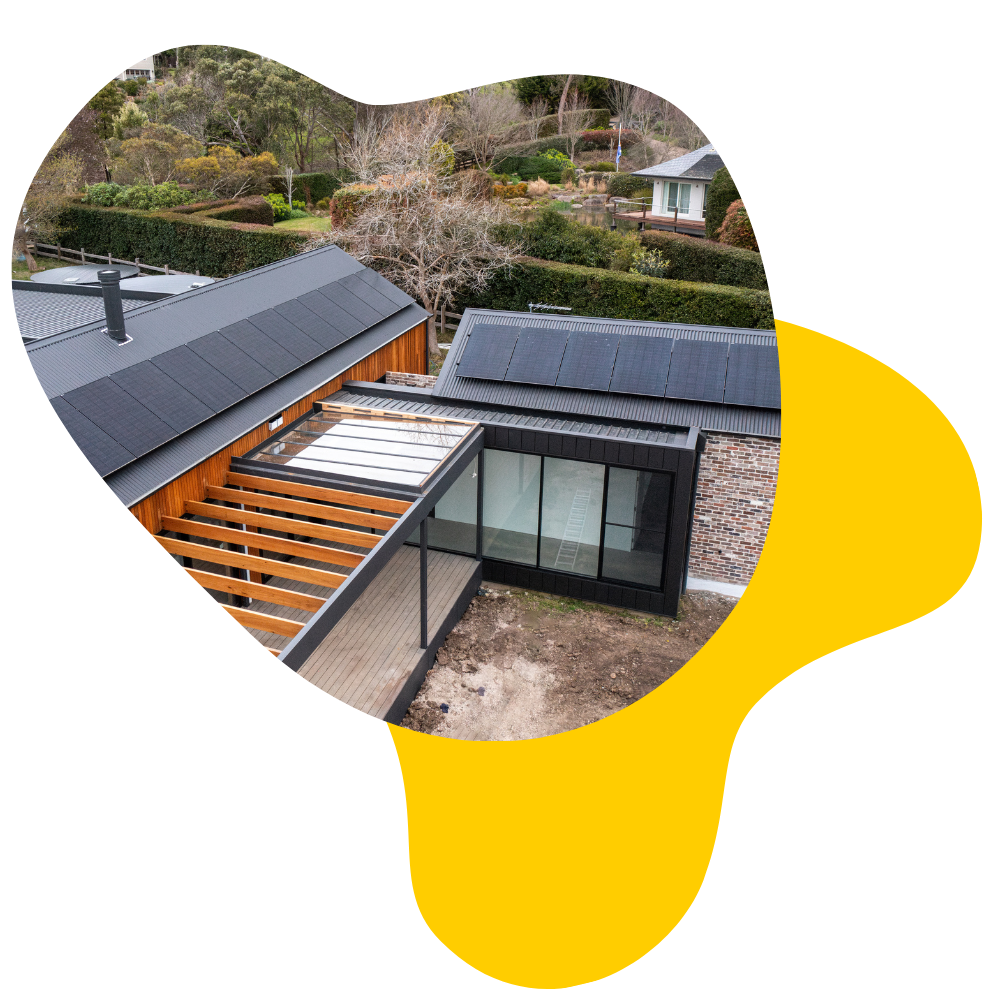
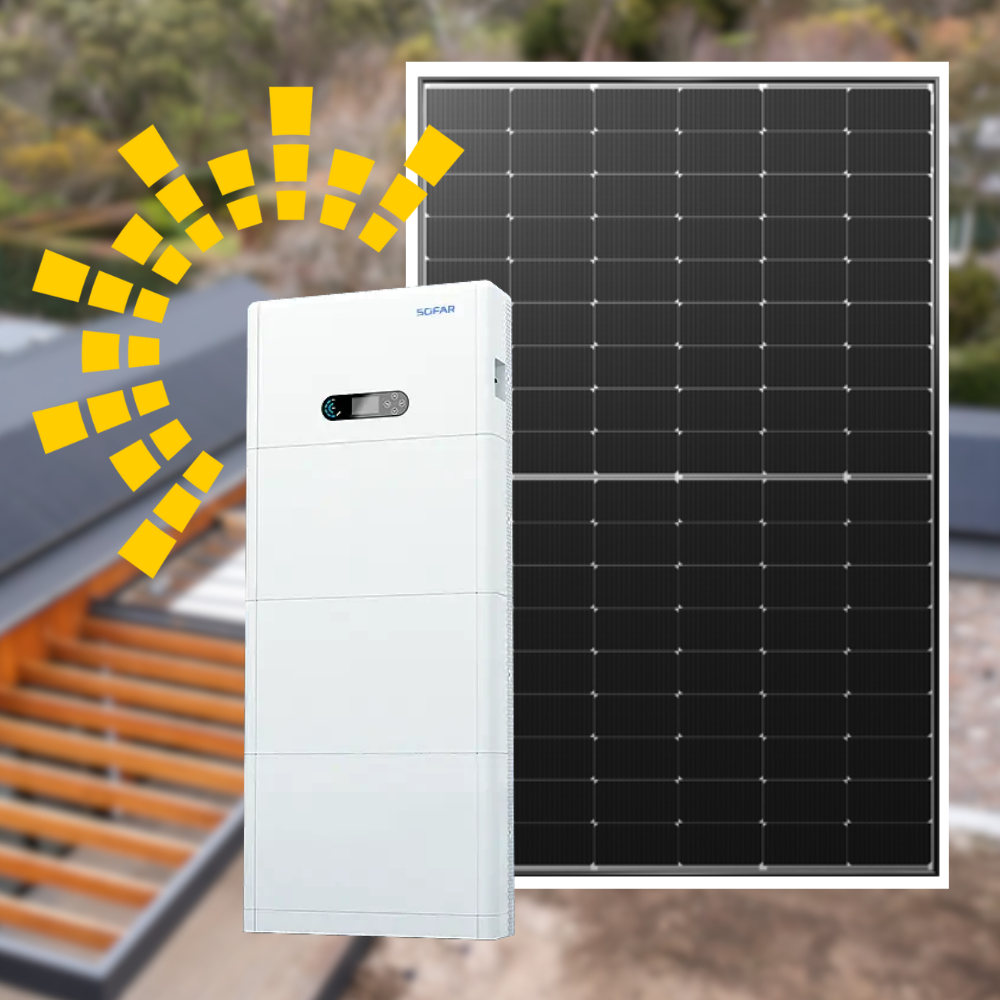
Dont miss out on the current rebates thanks to the Australian Government
Australia is supercharging its energy transition — with rebates, discounts, and low-interest loans designed to make solar panels and home battery storage far more affordable. From federal programs to state-based offerings, homeowners and businesses are unlocking real savings while helping build a more resilient, sustainable grid.
Better power options for your family
Arriba is powering a new way forward for families. With smarter solutions that cut costs and create real savings, we’re giving households the freedom to take control of their energy and say goodbye to rising bills. Better power. Bigger savings. True energy independence.









OUR EASY PROCESS
Enquire with our team. We will give you a call and talk you through the process and get key details.
1
Our team will tailor a quote with products that meet your home needs and within a budget that works for your requirements.
2
Once the quote is accepted our team will help you with your rebates and book our installers to come put your system in.
3
Our friendly and professional installers will come to site and install your system and provide you with onsite training.
4
It doesn’t end there. Our team is here to provide you the best after sales service as well as our 5 year workman ship warranty. We have teams on hand to provide you the ongoing after sales support you deserve.
COMMON SOLAR FAQs
-
Review Your Energy Usage: Start by looking at your electricity bills to understand your current energy consumption. Pay attention to your daily usage (measured in kilowatt-hours, kWh) and the peak times when you use the most electricity.
Consider Future Energy Needs: Factor in any potential changes in your energy usage, such as plans to buy an electric vehicle (EV), install a pool, or increase household size.
-
Solar Panels: These convert sunlight into electricity. The efficiency and output of the panels depend on their quality and the amount of sunlight they receive.
Inverters: These convert the DC electricity generated by the panels into AC electricity, which your home uses. Inverters are a critical component, so choose a high-quality brand.
Battery Storage: Optional, but becoming increasingly popular. Batteries store excess solar energy generated during the day for use at night or during cloudy periods. Consider if you need storage to maximize self-consumption and energy independence.
System Monitoring: Ensures your system is functioning optimally by tracking energy production and usage.
-
Roof Suitability: Assess the orientation, tilt, and shading of your roof. North-facing roofs in Australia receive the most sunlight, but east and west orientations can also be effective.
Shade Analysis: Ensure there are no significant shading issues from trees, chimneys, or neighbouring buildings. Shading can drastically reduce the efficiency of your system.
Roof Condition: Make sure your roof is in good condition, as solar panels are a long-term investment and require a stable base. You may need to consider roof repairs or replacement before installation.
-
System Size: The size of your solar system should match your energy needs. Typical residential systems range from 3kW to 10kW. A larger system will generate more power but requires more roof space and a higher initial investment.
Energy Offsets: Consider what percentage of your energy needs you want to cover with solar. Most homeowners aim to offset at least 50-70% of their electricity usage.
Feed-In Tariffs (FiTs): These are payments you receive for exporting excess solar energy back to the grid. While FiTs have reduced in recent years, they can still provide a financial benefit.
-
Solar Panels: Look for panels with high efficiency and durability. Tier 1 manufacturers generally offer better quality and longer warranties. Brands like LG, SunPower, and Q CELLS are well-regarded.
Inverters: Choose a reputable brand, such as Fronius, SMA, or SolarEdge. Inverters typically come with a 5-10 year warranty, but you can often extend this.
Batteries: If opting for storage, consider brands like Tesla, LG Chem, or Sonnen. Look for a battery with a good cycle life and a warranty of at least 10 years.
-
Product Warranties: Solar panels typically come with a 10-25 year warranty. Inverters have shorter warranties, often 5-10 years, while batteries usually have a 10-year warranty.
Performance Warranties: Ensure your panels come with a performance warranty guaranteeing a certain level of output over 25 years.
Certifications: Ensure that your components are certified to Australian standards. Look for certifications like Clean Energy Council (CEC) accreditation for installers.
-
Upfront Purchase: Paying for your solar system outright can provide the best return on investment, as you immediately benefit from energy savings without financing costs.
Green Loans: Many financial institutions offer low-interest loans specifically for solar installations. These allow you to spread the cost over several years.
Solar Leases/PPA: Some companies offer solar leases or Power Purchase Agreements (PPA), where you pay for the energy the system generates rather than the system itself. Be sure to understand the terms, as this option might not always provide the best long-term value.
-
Research Installers: Look for installers with strong customer reviews and CEC accreditation. A good installer will provide tailored advice, help you choose the right system, and offer reliable after-sales support.
Quotes and Comparisons: Get multiple quotes to compare prices, system components, and warranties. Don’t just choose the cheapest option—consider the installer’s reputation and the quality of components.
After-Sales Support: Ensure your installer offers ongoing support, including system monitoring, maintenance, and warranty claims.
-
Small-Scale Technology Certificates (STCs): These provide an upfront discount on the cost of your solar system based on the size and location of your installation.
State-Based Incentives: Check for any additional rebates or incentives available in your state, such as the Victorian Solar Homes Program.
Feed-In Tariffs (FiTs): Research the available FiTs from different energy retailers in your area to maximize the return on your investment.
-
Regular Cleaning: Solar panels need to be kept clean and free of debris to maintain their efficiency. Consider scheduling regular cleaning, especially in areas with high dust or pollen levels.
Inverter and Battery Checks: Inverters and batteries require occasional maintenance and should be checked regularly to ensure they are operating efficiently.
Monitoring: Use the system’s monitoring tools to track performance and identify any issues early. This helps ensure your system is always performing at its best.