
THE TIME TO GET A BATTERY IS NOW
Take advantage of the rebates. Dont miss out.
"With feed-in tariffs falling, exporting solar is less profitable. A battery stores excess energy for use at night, cuts reliance on the grid, avoids peak rates, and provides backup in blackouts—boosting savings and future-proofing your solar investment."
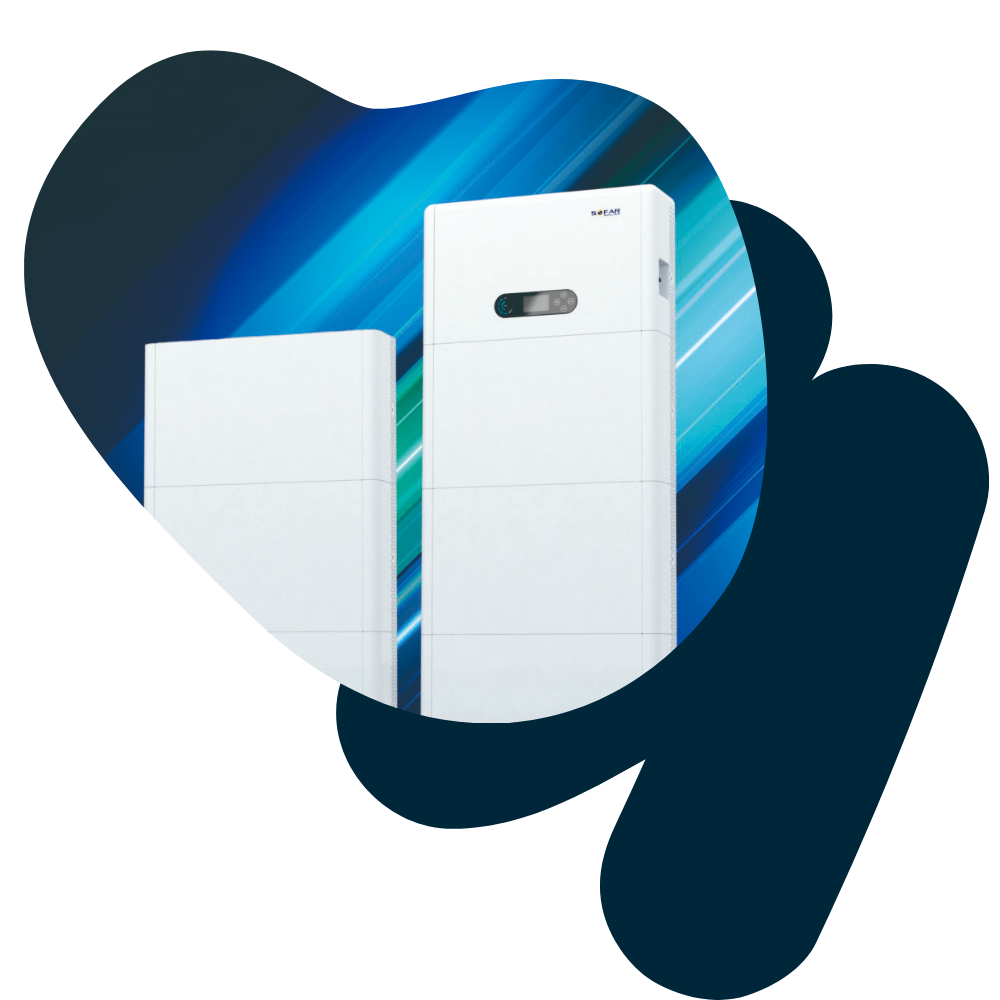

“Add a battery: maximise your solar, maximise your savings.”
COMPLETE HOME ENERGY SYSTEM
A Complete Renewable Energy Home System powers your home sustainably with solar panels, battery storage, and an inverter. It stores excess energy for later use and can include smart management systems and EV charger integration. Whether off-grid or connected, it lowers energy bills and reduces your carbon footprint.
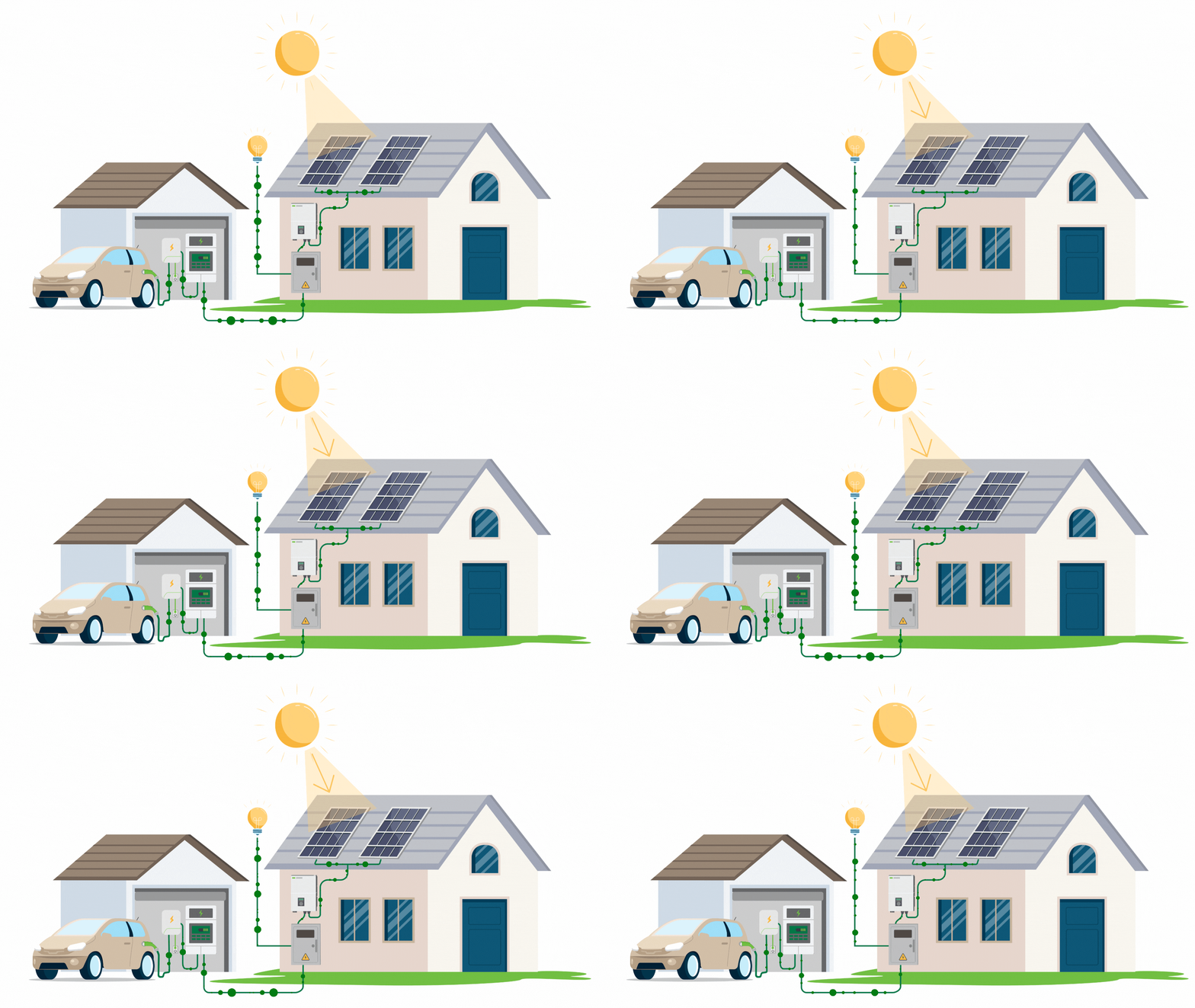
We find the best and most affordable products for your home
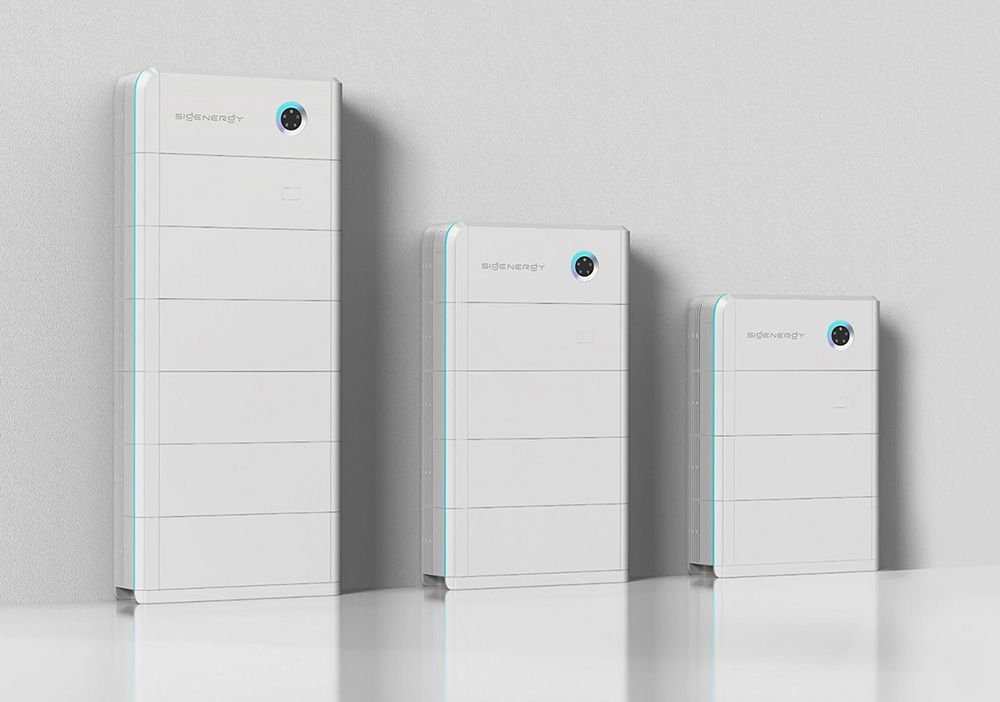










COMMON BATTERY & STORAGE FAQs
-
It depends on your energy consumption. On average, a 10-13 kWh battery covers overnight usage for most homes.
-
Yes, many batteries are retrofittable, but you may need to upgrade to a compatible inverter.
-
Most batteries last 10-15 years or around 5,000 charge cycles, depending on usage and maintenance.
-
Only if the system is configured with backup power capability. Not all solar batteries provide this feature by default.
-
It varies, but generally, the payback period ranges from 7 to 12 years, depending on energy savings and incentives.
-
In most cases, yes. Batteries can reduce reliance on the grid but may not fully eliminate the need for a grid connection.
-
Lithium-ion batteries are largely maintenance-free, but occasional software updates and health checks are recommended.
-
Yes, by storing excess energy for later use, reducing reliance on the grid during peak times, and maximizing self-consumption.
-
Many regions offer incentives or rebates for home battery installations; check with local energy authorities.
-
Some systems are modular, allowing additional batteries to be added later, but it’s important to plan for compatibility.